Rethinking Food Talk: Why Neutral Language Matters for Kids’ Relationship with Food
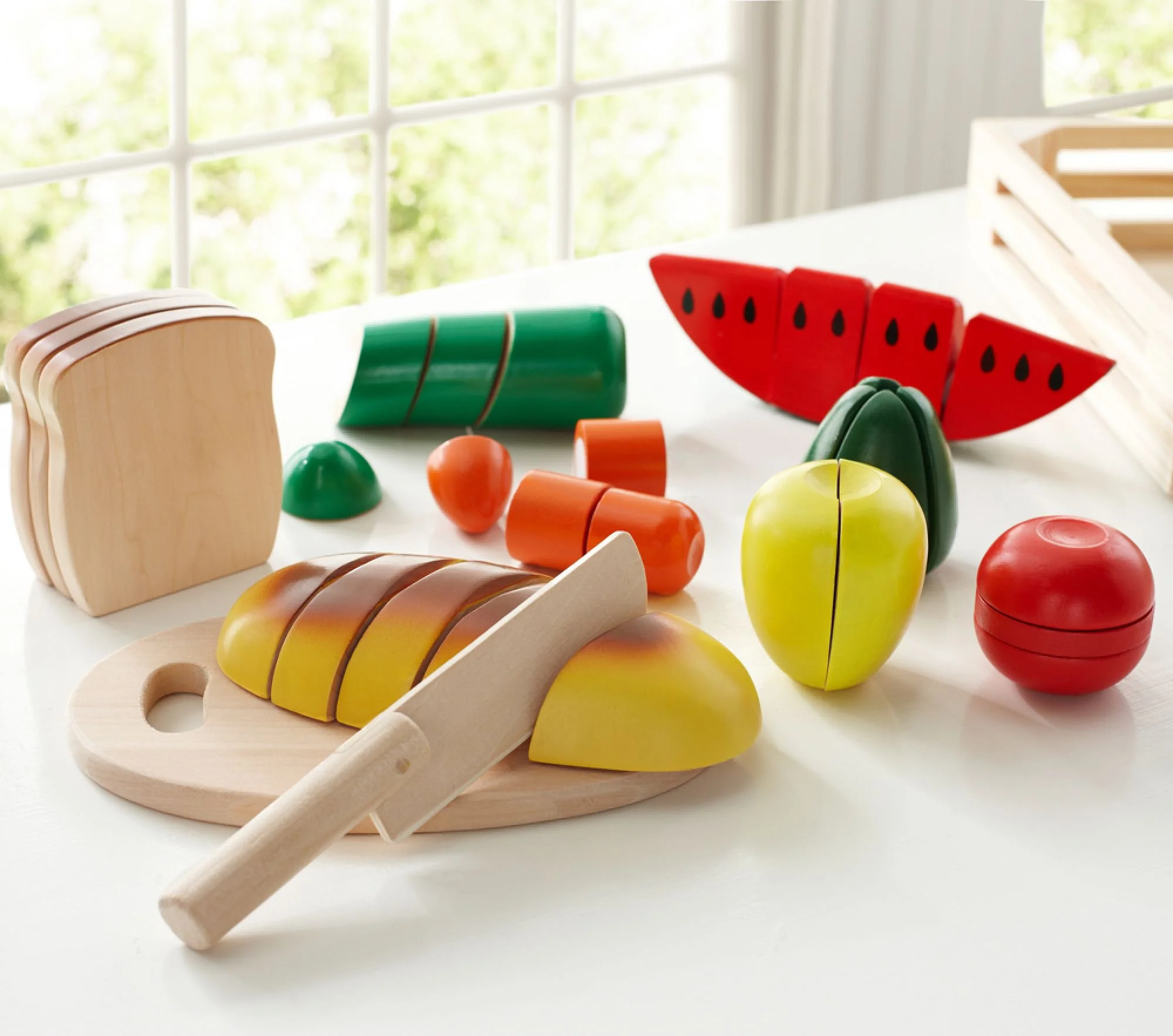
We are bombarded with messages – often conflicting messages – about how to parent. From choosing or breastmilk through to whether or not we should keep chips and pop in the house, messages about food consumption are a daily reminder of what we should be doing, and often a source of guilt and shame.
As parents we want our children to grow up feeling healthy, confident, and capable of making good choices. When it comes to food, even our best intentions can get tangled up in the language we use. We might call some foods “good” and others “bad,” hoping to encourage healthy eating. Research shows, however, that this kind of labeling can actually do more harm than good. “Good” and “bad” are, inevitably, tied to morality. No child wants to be “bad.” Guilt is often ubiquitous with things that are considered to be bad.
If a food is “bad”, shouldn’t I feel guilty about choosing to eat it?
The Power of Words
Children are literal learners. When they hear that a food is “bad,” they often internalize that message—not just about the food, but about themselves. “I ate something bad, so I must be bad.” Over time, this can lead to guilt, shame, or secretive eating patterns. Conversely, calling foods “good” can create pressure to always “eat right,” setting the stage for rigid thinking or disordered eating behaviors later in life.
What the Research Shows
Studies in child development and nutrition psychology suggest that a more neutral, flexible approach supports healthier long-term outcomes. Children who grow up in homes where all foods are allowed (in context and moderation) are less likely to binge, restrict, or develop anxiety around eating. Instead, they tend to listen to their own hunger and fullness cues—skills that form the foundation for intuitive eating and body trust.
How to Talk About Food Differently
Instead of moral language, try shifting to descriptive or situational terms:
“This food helps our bodies feel strong for play.”
“That snack might not keep you full very long—what else could we add?”
“All foods fit! Some help us grow, some are just for fun.”
This kind of language keeps food emotionally neutral and encourages curiosity, balance, and autonomy. It also opens the door for meaningful discussions about how different foods make us feel, rather than how “good” or “bad” they are.
Why It Matters
Food is more than fuel—it’s connection, culture, and comfort. When we teach kids to approach food with flexibility and kindness, we give them tools that go far beyond the dinner table. We’re helping them build a relationship with their bodies that’s rooted in trust rather than judgment.
At Nourish Psychological Services, we specialize in supporting individuals and families who want to build healthier relationships with food and their body image. Our approach integrates evidence-based psychological treatment with warmth, understanding, and—where appropriate—the healing power of nature and animals.
About the Author
Kara Alan, Registered Psychologist, is the Co-owner and Director of Nourish Psychological Services in Foothills, Alberta. She specializes in eating disorders, body image, trauma, and holistic approaches to mental health, including Equine-Assisted Therapy and Nature-Based Therapy.