Child-Focused Therapy: Why Support Should Not Feel Like a Diagnosis
Every week, parents sit across from therapists and say things like, “He gets so angry. It’s chaotic. But teen boys will do that, hormones and all! That’s normal, right? He doesn’t need counselling. He’s not crazy!” There is often a quiet pause after that sentence, the kind filled with guilt, worry, and the unspoken fear that needing therapy means something has gone wrong with respect to parenting.
Needing support is not a sign of failure. It is a sign of awareness.
For a very long time, mental health services for children were only offered when things were “bad enough.” Children were expected to cope, behave, sit still, regulate, and adjust without ever being taught how. Today, our understanding of wellness has shifted. Therapy is not just for times of crisis. Therapy is education. It is early intervention. It is emotional literacy training. It is building regulation and resilience before patterns become painful to untangle. Proactive mental health care is just as valuable as proactive dental care, nutrition, physical wellness, or academic support.
Why Do Children Need Therapy?
Children feel stress, anger, grief, anxiety, confusion, and emotional chaos just like adults do, and sometimes even more intensely. They have fewer tools to express or make sense of things. Explosive anger and public meltdowns are just as much a distress signal as quiet compliance and people-pleasing. A child who becomes aggressive is communicating something. So is the child who shuts down and nods along just to avoid conflict. Both patterns deserve attuned, compassionate support.
Whether a child is neurodivergent (e.g., Autism, ADHD, sensory processing differences) or neurotypical, therapy offers a safe, neutral place to make sense of their internal experiences. Concerns like struggling with emotional regulation, identity, friendship, grief, school pressure, or simply existing in a loud and busy world, can be tackled and supported in therapy.
What Types of Counselling Work for Kids?
At Nourish, counselling is not about sitting on a couch and talking. Children communicate through movement, sensation, symbol, story, nature, play, and connection. Effective child therapy honours that. Some modalities that support children include:
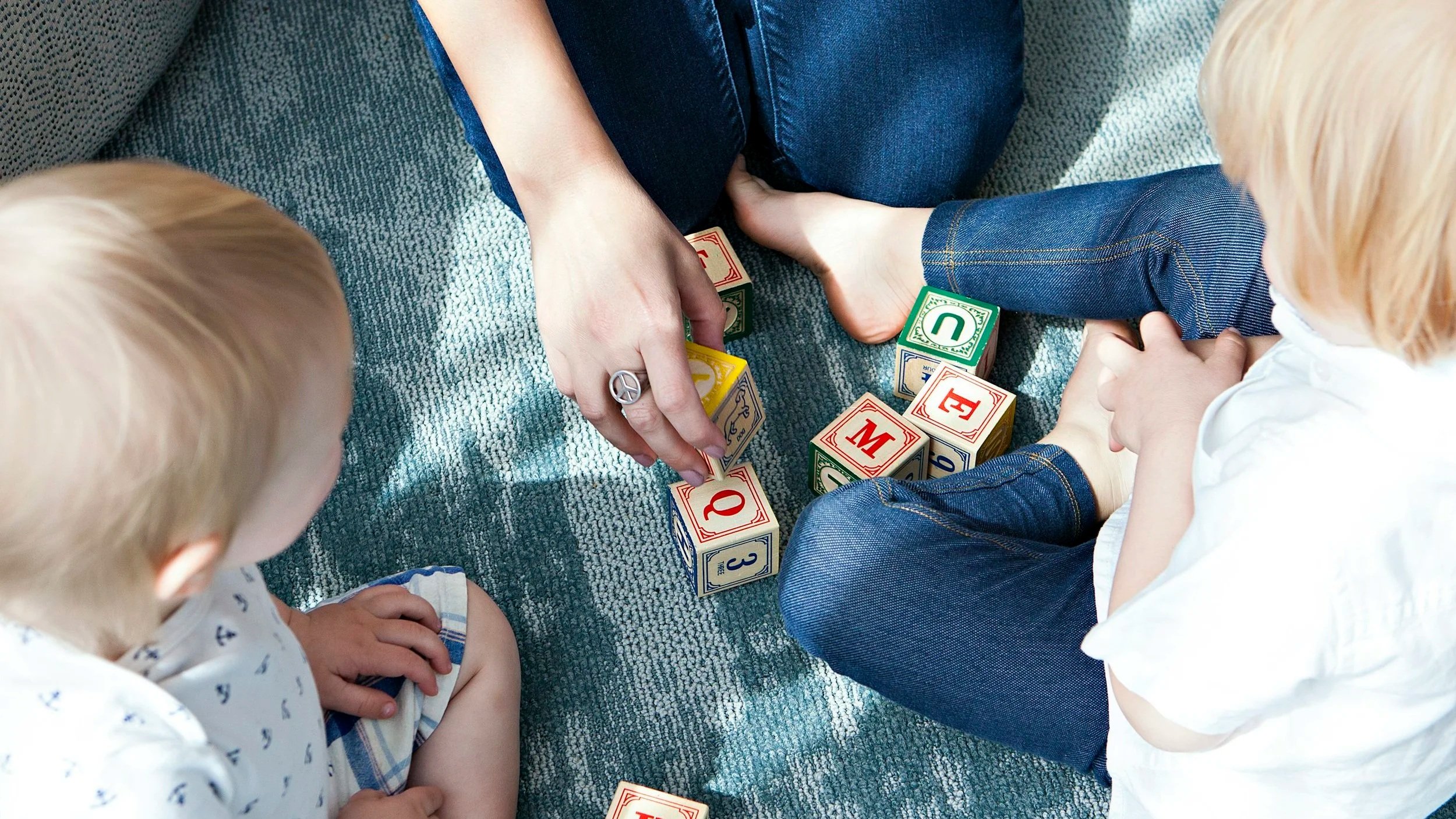
Play Therapy – Intentional play that creates a regulated space for connection. While we build towers or use puppets or miniatures, we also build trust. Children begin to talk without feeling like they are being interviewed or corrected.
Art Therapy – Using drawing, painting, clay, or sensory materials to externalize feelings. Art becomes a language, and conversation naturally opens up alongside it.
CBT through Imaginative Play – Using dragons, superheroes, quests and story-based counselling to help children reframe thoughts, fears, and behaviours through characters and metaphor. Distance allows insight.
Narrative Therapy – Gently guiding children to view their life as a story. From that perspective, they can explore their role, challenge the “villains” of shame or anxiety, and see where they have agency to rewrite outcomes.
Trauma-Informed Therapy – Not forcing a child to speak before they feel safe. Offering choice, honouring their pacing, co-regulating rather than correcting. Relationship first, insight second.
Equine-Assisted Counselling – Regulating alongside horses, grooming, walking, breathing, and observing herd behaviour. Horses are prey animals and masters of nervous system awareness. They teach alertness, connection, boundaries, and release without a single lecture. Equine-based therapy provides grounding that talk alone cannot.
Walk and Talk Therapy – Movement-based counselling outdoors that reduces pressure and supports sensory regulation.
Group and Family Therapy – Supporting families in communicating clearly, setting boundaries, and understanding each other’s nervous systems. For parents of neurodivergent children, or children navigating big emotions, community reduces isolation. Shared language reduces conflict.
What Actually Happens in Session?
Sessions do not look like school. They do not look like discipline. They are collaborative, playful, structured but flexible. A child might be painting while discussing friendship dynamics. They might be brushing a horse while learning about breathing and calming strategies. They might be building a Lego scene of “what my anger looks like” or acting out anxiety as a dragon that needs listening rather than slaying.
Therapy is not about fixing a child. It is about helping them understand their body, their brain, their boundaries, and their feelings with compassion rather than shame. It is about giving parents insight and language to support regulation at home without turning every moment into correction or consequence.
Why It Matters
Children grow into adults who lead, parent, build communities, and shape culture. Emotional literacy and nervous system awareness directly influence the kind of society we end up with. When children learn to recognise what is happening inside of them and are given healthy, relationship-based tools to manage it, they do not have to rely on suppression, aggression, avoidance, or perfectionism to survive.
Therapy is not just treatment. It is prevention. It is education. It is connection.
Spaces like Nourish exist so that children and their caregivers can access mental health care in forms that make sense for developing brains and sensitive nervous systems. Not when it is “bad enough.” Simply when it is needed.
If the next generation is going to inherit this world, the question becomes less about “Does my child need therapy?” and more about “What would it look like if we taught emotional regulation and self-understanding as naturally as we teach reading and math?”
We’d love to hear your thoughts: how do you think emotional education could change the future of our children? Email us at info@nourish-wellness.ca
About the Author
Lacy Hunter, Canadian Certified Counsellor, supports children and parents at Nourish Psychological Services in Foothills, Alberta. She uses play, animals, the outdoors, and imagination, to create a space where children feel safe to be themselves.